Image to Video
Kling v1 Image-to-Video
Animate images with v1 quality.
Hint: You can drag and drop a file or click to upload
Example
Input
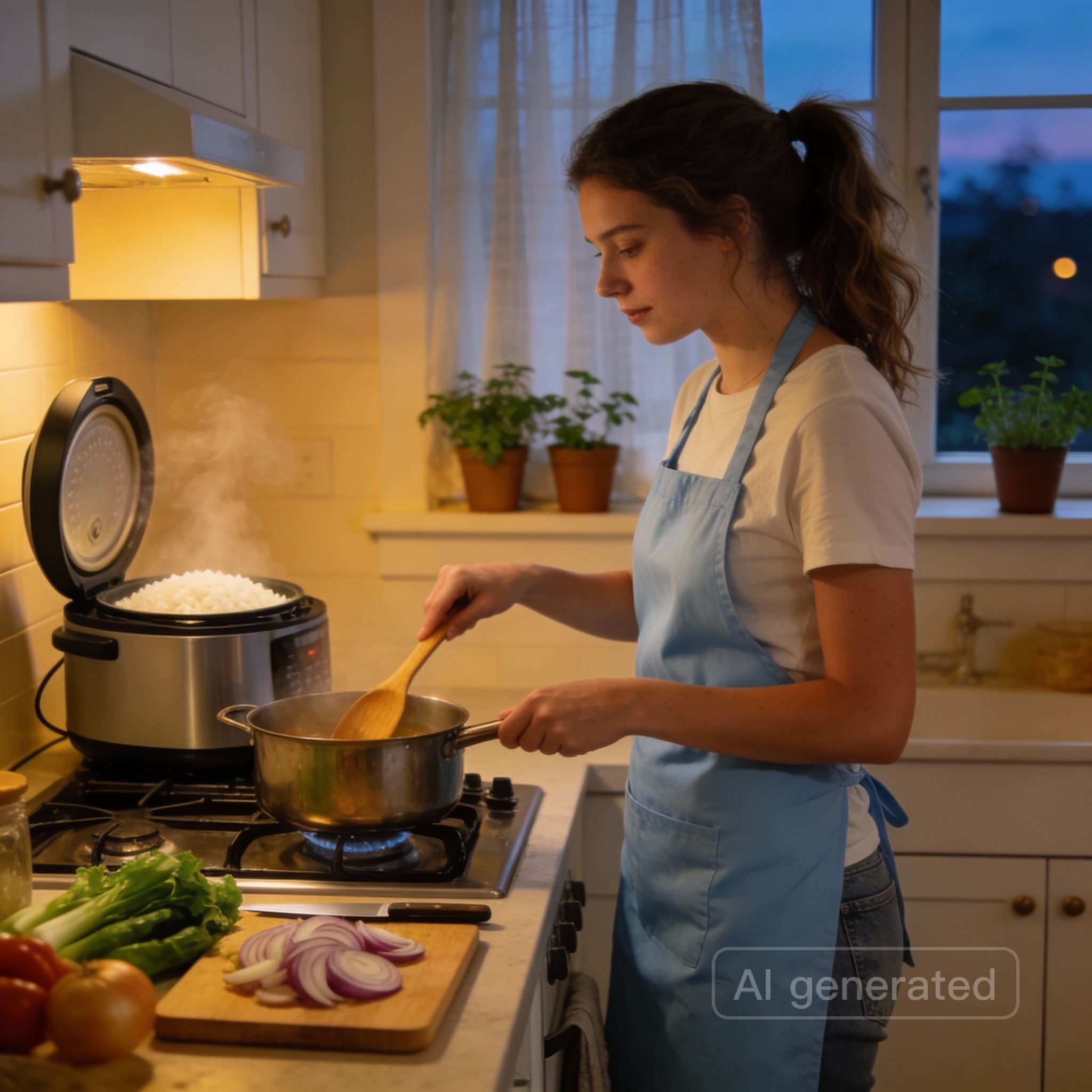 Input
InputSample output shown above. The prompt and settings are pre-filled on the left.
Your request will cost $0.18 per run. ($0.036/s) For $10 you can run this model approximately 55 times.
One more thing:
Related Models
README
Kling / Kling v1 Image-to-Video — Image to Video (kling-i2v-v1)
Kling v1 Image-to-Video brings static images to life.
Highlights
- •Natural motion – Creates realistic movement.
- •Preserves details – Maintains image quality.
- •Cost-effective – Affordable image animation.
Parameters
- •image* – Source image to animate
- •prompt – Description of the motion/animation
- •aspect_ratio – Video aspect ratio
- • 16:9 (Landscape)
- • 9:16 (Portrait)
- • 1:1 (Square)
- •duration – Video duration
- • 5 seconds
- • 10 seconds
Pricing
$0.18 per generation
How to Use
- 1.Upload your source image.
- 2.Describe the desired motion.
- 3.Select duration and submit.
- 4.Download your animated video.
More Models to Try
•Photographers: Animate your photos.
•Artists: Bring illustrations to life.
•Content creators: Engaging visual content.
Related Guides
Frequently Asked Questions
What is the Kling v1 Image-to-Video API?
Animate images with v1 quality.
How much does Kling v1 Image-to-Video cost via API?
Kling v1 Image-to-Video costs $0.1800 per generation through Renderful's API. No subscription required — pay only for what you use.
How do I use Kling v1 Image-to-Video via API?
Sign up for a free Renderful API key, then send a POST request to the /v1/predictions endpoint with model "kling-i2v-v1". See the documentation at renderful.ai/docs for code examples in Python, JavaScript, and cURL.
What type of content does Kling v1 Image-to-Video generate?
Kling v1 Image-to-Video is a image to video model by Kling. Key features include: 5-10s videos, Image animation, Natural motion.
Is the Kling v1 Image-to-Video API fast?
Kling v1 Image-to-Video has medium generation speed. Results are delivered via polling or webhook callback for seamless integration.